How Weather Exposure Affects Masonry Wall Integrity
Masonry wall repair experts can assess and fix damage caused by weather exposure that weakens wall integrity, helping protect your property and ensure lasting stability.
Understanding how weather exposure affects masonry wall integrity is essential for property owners looking to preserve the strength and appearance of their structures. Exposure to elements like rain, snow, temperature fluctuations, and humidity can lead to deterioration over time, causing cracks, mortar erosion, and weakened walls. For those managing properties in the area, staying informed about these impacts can help prevent costly repairs and ensure the longevity of masonry features. Local contractors experienced in masonry repair are equipped to assess weather-related damage and recommend effective solutions to maintain the stability of walls exposed to the elements.
Exploring this topic is particularly practical for property owners who want to protect their investments and avoid unexpected issues down the line. Knowing how weather exposure influences masonry wall health can guide timely maintenance and repairs before minor problems develop into major concerns. Local service providers specializing in masonry wall repair can address weather-related vulnerabilities, helping to restore and reinforce structures affected by the environment. Keep reading to learn more about how weather impacts masonry and how local experts can assist in safeguarding your property.
- Masonry Wall Repair - Homeowners noticing cracks or deterioration after heavy rain or freeze-thaw cycles can rely on local contractors to assess and repair weather-related damage.
- Masonry Wall Repair - When moisture infiltration causes efflorescence or surface spalling, local pros can implement sealing and repair strategies to restore wall integrity.
- Masonry Wall Repair - Exposure to harsh weather conditions that lead to mortar deterioration or loose bricks can be addressed by experienced service providers with targeted repairs.
- Masonry Wall Repair - Signs of water damage or mold growth on masonry surfaces often prompt contact with local contractors skilled in weather-related masonry restoration.
- Masonry Wall Repair - After seasonal temperature fluctuations weaken masonry joints, local pros can perform necessary repairs to prevent further weather-induced deterioration.
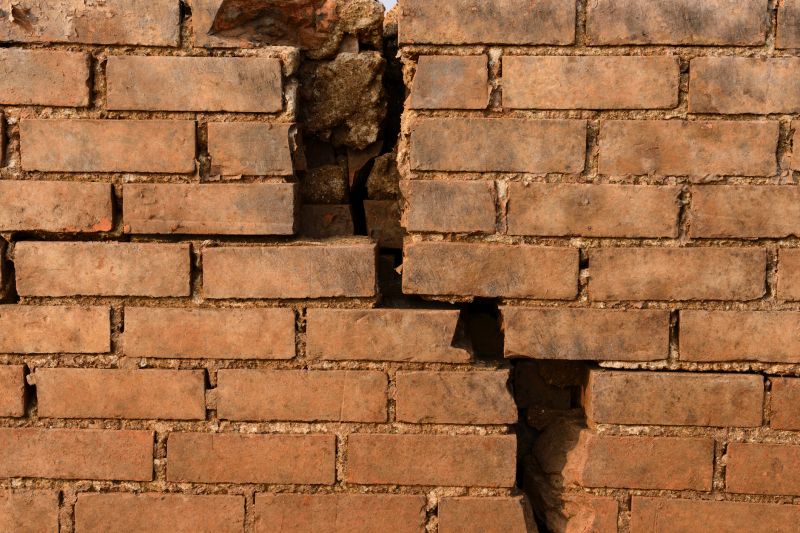
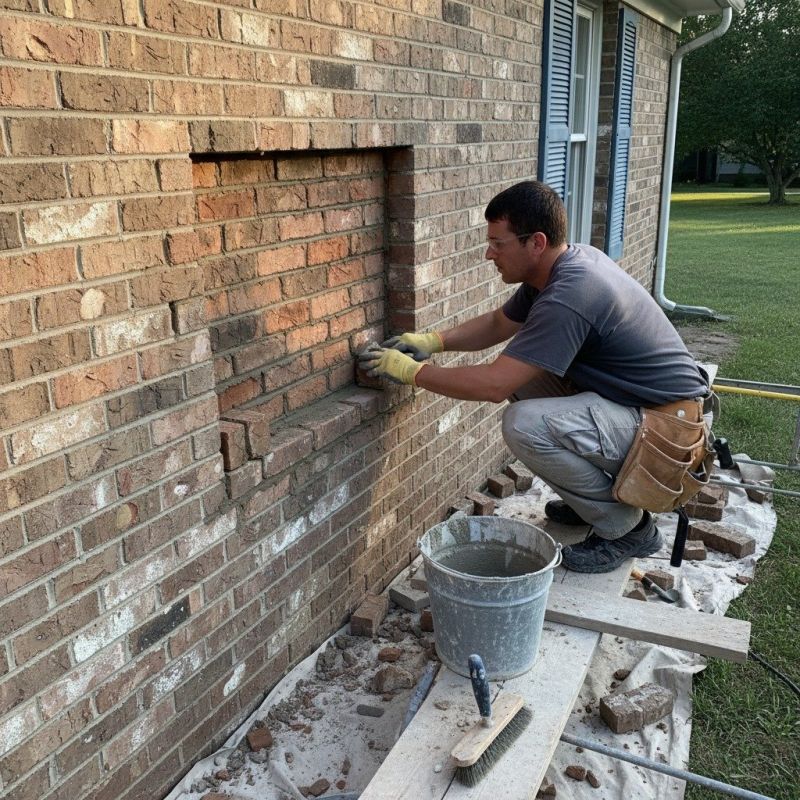
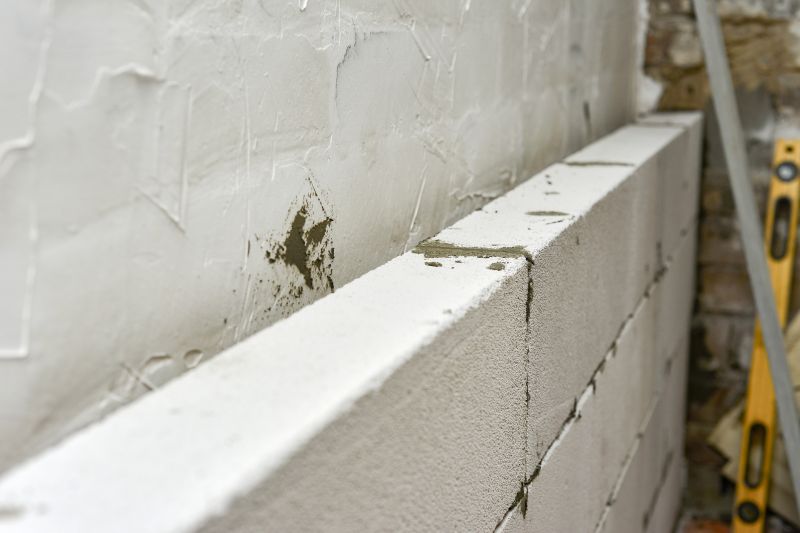
When searching for information about how weather exposure affects masonry wall integrity, homeowners often want to understand how outdoor conditions can weaken or damage their existing structures. This topic typically comes up when considering repairs or preventative measures for walls that have been exposed to the elements over time. People may notice signs of deterioration, such as cracks, crumbling mortar, or loose bricks, and want to learn how environmental factors like rain, freeze-thaw cycles, or humidity contribute to these issues. Understanding these connections helps homeowners plan for repairs that address the root causes of damage caused by weather exposure, rather than just cosmetic fixes.
The problems related to weather exposure and masonry walls often involve structural weakening, moisture infiltration, and surface erosion. For example, repeated exposure to rain and moisture can lead to mortar deterioration, which compromises the overall stability of the wall. Freeze-thaw cycles are particularly damaging in colder climates, as water trapped within the masonry expands when it freezes, causing cracks and spalling. Over time, these issues can result in loose or fallen bricks, leaning walls, or even partial collapses. Homeowners with plans to restore or reinforce their masonry walls need to consider how weather-related factors have contributed to the current condition, so repairs can be properly tailored to prevent further damage.
Properties that typically come up in discussions about weather-related masonry damage include residential homes, especially older brick or stone houses, as well as commercial buildings, retaining walls, and garden walls. These structures are often exposed to the elements continuously, making them more vulnerable to weather-related wear. Homes located in regions with significant rainfall, temperature fluctuations, or snow are particularly at risk. Additionally, properties with inadequate drainage or poor initial construction may experience accelerated deterioration due to weather exposure. For property owners planning repairs or upgrades, understanding the specific weather-related challenges their structures face can guide them toward effective solutions offered by local masonry repair contractors.
Connecting with local masonry wall repair service providers is essential for addressing weather-related damage effectively. These professionals can assess how weather exposure has impacted a specific property, identify underlying issues like mortar erosion or cracked bricks, and recommend appropriate repair strategies. Whether it involves repointing mortar joints, replacing damaged bricks, or applying protective coatings, experienced local contractors understand how environmental factors influence masonry deterioration. Engaging with these service providers ensures that repairs are durable and tailored to withstand future weather exposure, helping property owners preserve the integrity and appearance of their walls over time.
Brick Restoration Projects - These projects involve repairing and restoring brick masonry affected by weather-related deterioration, utilizing skills in masonry repair and weatherproofing techniques.
Stone Wall Preservation - Focused on maintaining and strengthening stone structures exposed to the elements, requiring planning for weather resistance and proper sealing methods.
Foundation Waterproofing - Addresses issues caused by water infiltration that compromise masonry integrity, with local contractors applying waterproofing solutions to protect walls.
Exterior Wall Coating Applications - Involves applying protective coatings to masonry surfaces to reduce weather damage, requiring surface preparation and weather-resistant materials.
Tuckpointing and Repointing Services - These services repair mortar joints vulnerable to weather exposure, helping to prevent moisture intrusion and structural weakening.
Masonry Cleaning and Surface Treatment - Focused on cleaning and treating masonry surfaces to remove weather-related grime and improve durability against future exposure.
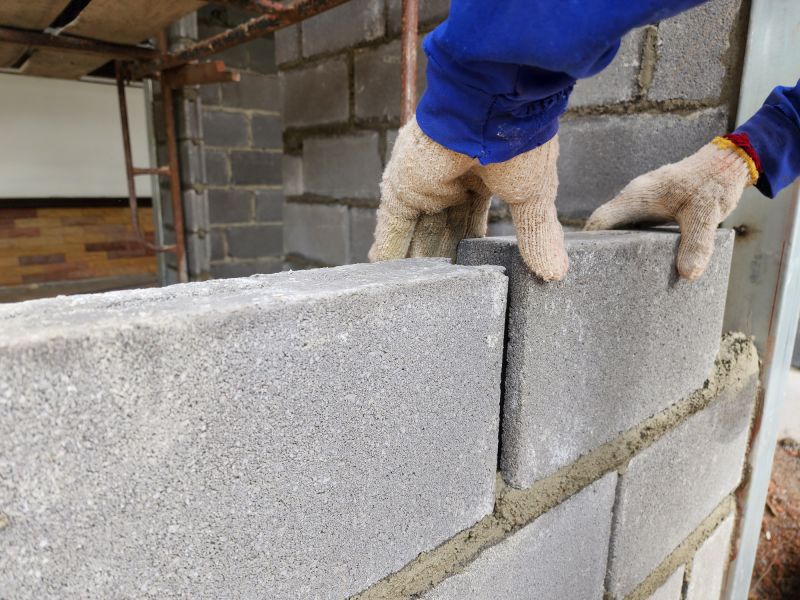
When comparing masonry wall repair services, it is important to consider the experience of local contractors with similar projects. Masonry work can be significantly impacted by weather exposure, which may cause issues such as cracking, spalling, or deterioration over time. Service providers who have handled repairs in environments with similar weather conditions are more likely to understand the specific challenges and effective solutions for maintaining wall integrity. Asking about their past projects can provide insight into their familiarity with weather-related wear and tear, ensuring that the chosen professional has relevant experience to address the unique needs of a masonry wall exposed to local climate factors.
Clear written expectations are essential when evaluating masonry repair services. A reputable contractor should be able to provide a detailed scope of work that explains the steps involved, materials to be used, and the projected outcomes. This transparency helps prevent misunderstandings and ensures that the homeowner understands how weather exposure may influence the repair process and long-term durability. Well-defined expectations also allow for easier comparison between service providers, making it possible to identify which contractors offer comprehensive and realistic plans tailored to the specific weather challenges impacting the masonry walls.
Reputable references and effective communication are key indicators of a trustworthy masonry repair service. Local contractors with positive references from previous clients can demonstrate a track record of successful projects, especially those involving weather-related issues. Good communication throughout the process ensures that homeowners stay informed about project progress and can ask questions or express concerns as needed. This ongoing dialogue is crucial for managing expectations, especially when weather exposure may require specific considerations or adjustments during the repair process. Ultimately, choosing a service provider who offers clear, consistent communication and has established a reputation for quality work can lead to a more satisfactory and durable masonry repair outcome.
Property owners often search for how weather exposure affects masonry wall integrity when they are planning practical projects around their homes and businesses. Local pros provide Masonry Wall Repair services for everyday jobs and straightforward project options.
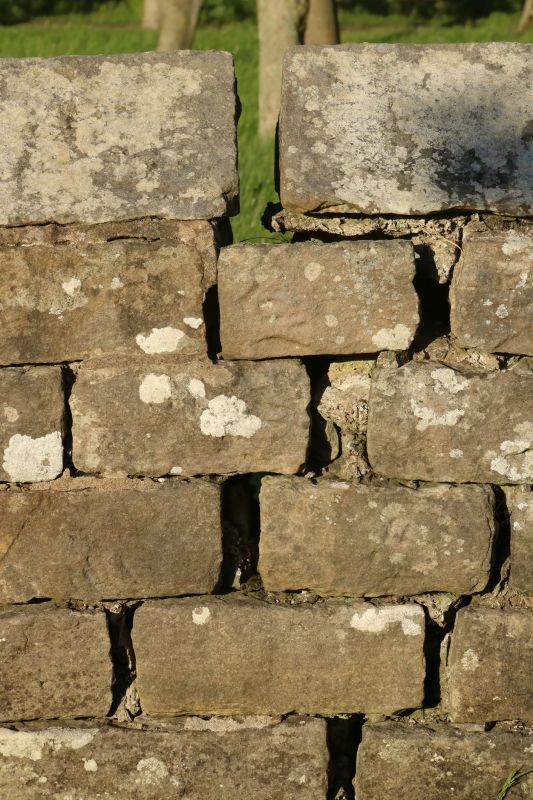
Weather exposure plays a significant role in the long-term stability of masonry walls, especially in areas where temperature fluctuations, moisture, and seasonal changes are common. Repeated cycles of freezing and thawing can cause cracks to develop in mortar joints and bricks, weakening the overall structure over time. Additionally, excessive moisture from rain or humidity can lead to deterioration, mold growth, and even water infiltration that compromises the wall’s integrity. Property owners noticing signs of damage or deterioration often look into masonry wall repair services to address issues caused by weather exposure and prevent further structural problems.
Local contractors experienced in masonry repair are equipped to assess how weather exposure has impacted a wall’s condition and recommend appropriate solutions. Whether it’s sealing cracks, repointing mortar joints, or applying protective coatings, these service providers can help restore the strength and appearance of masonry walls. Regular inspections and timely repairs can extend the life of masonry structures, making it worthwhile for property owners to connect with local experts who understand the specific weather-related challenges in the area.
How does weather exposure impact masonry wall integrity? Weather exposure can cause masonry walls to deteriorate over time through freeze-thaw cycles, moisture intrusion, and thermal expansion, leading to cracks and weakened structure. Local contractors experienced in masonry repair can assess and address these issues to maintain wall strength.
What types of weather-related damage are common in masonry walls? Common weather-related damages include cracking from temperature fluctuations, spalling due to freeze-thaw cycles, and moisture infiltration that can lead to mold or structural weakening. Skilled service providers can repair and reinforce affected areas to prevent further damage.
Can weather exposure cause long-term damage to masonry walls? Yes, continuous exposure to weather elements can cause long-term damage such as mortar deterioration, brick spalling, and overall loss of wall stability. Local masonry repair experts can evaluate and restore the integrity of the wall to withstand future weather conditions.
How do local contractors repair masonry walls affected by weather exposure? They typically perform crack repairs, repointing, sealing, and waterproofing to protect against ongoing weather damage. These services help restore the wall’s durability and prevent future deterioration caused by weather exposure.
Why is it important to address weather-related damage to masonry walls promptly? Prompt repairs help prevent minor issues from developing into major structural problems, preserving the safety and longevity of the wall. Local service providers can identify early signs of weather-related damage and recommend appropriate repair solutions.
Assessing Weather Impact - Property owners can evaluate how seasonal changes and weather patterns may weaken masonry walls and plan repairs accordingly with local contractors.
Sealing and Waterproofing - Applying sealants or waterproof coatings can help protect masonry surfaces from moisture infiltration caused by rain or snow exposure.
Addressing Freeze-Thaw Damage - Recognizing signs of freeze-thaw cycles can guide property owners to seek repairs that prevent cracking and deterioration in colder months.
Routine Inspection Strategies - Regularly inspecting masonry walls for weather-related damage allows property owners to schedule timely repairs with local service providers.
If you are thinking about how weather exposure affects masonry wall integrity for a property, this guide is meant to help you understand this topic, the typical project types, and how different options might fit your plans.
When you are ready, you can use the quote form on this page to share a few details about your project. From there, local pros can review the basics and follow up with options that match what you have in mind.